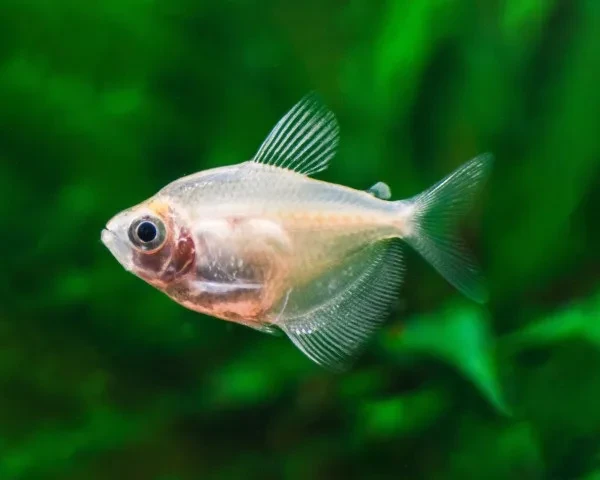
Keeping and feeding
Day-to-day care.
Set up a tank with plenty of driftwood, rock or ceramic caves and an open grazing area across the lower levels. Maintain moderate filtration and gentle flow; regular partial water changes (around 20–30% weekly) keep nitrate down and support healthy biofilm growth. Keep temperatures between about 22–27°C and pH around 6.5–7.5 for reliable long-term health.
Feed a staple of sinking algae wafers or vegetable-based sinking pellets and rotate in blanched vegetables such as zucchini or spinach. Offer frozen/live protein foods once or twice a week for variety and to support breeding. Remove uneaten food promptly to avoid fouling the water and feed small portions rather than one large feed.
Behaviour
How it lives.
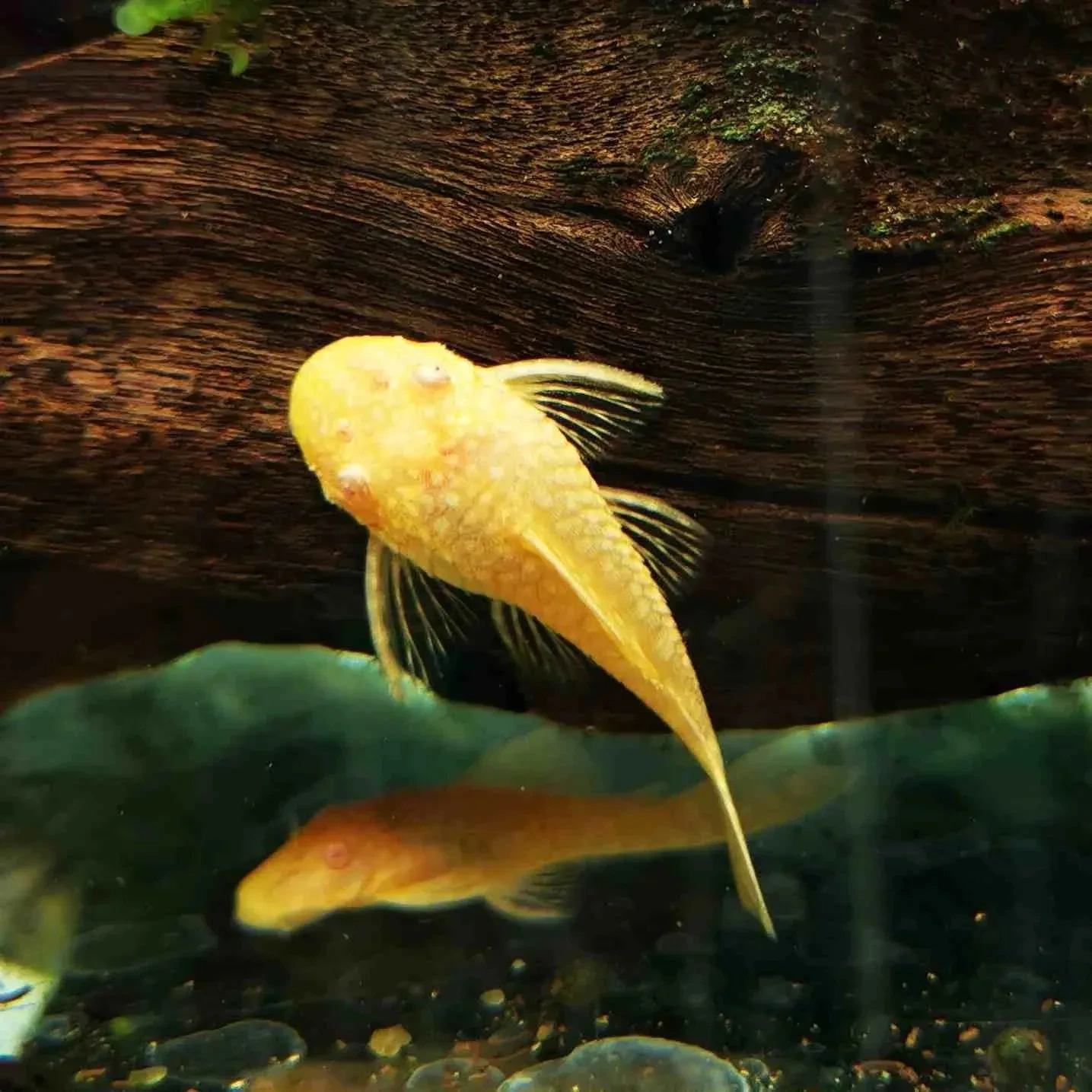
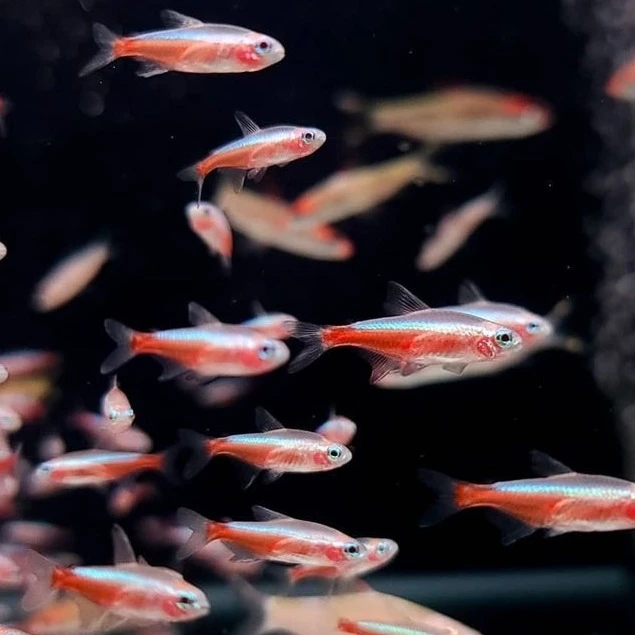
Mostly nocturnal to crepuscular and spends most time on the hardscape and lower levels of the tank, scraping biofilm with its sucker mouth. Males develop bristles on the snout; they defend a chosen cave during breeding but are otherwise peaceful. They do not shoal like tetras but tolerate conspecifics if there are many caves; single males may show mild territoriality to other males. Good tankmates include small tetras, rasboras, gouramis, smaller Australian natives and peaceful rasboras; avoid large aggressive cichlids and very boisterous fish that outcompete them for food. Well suited to beginners with basic care knowledge.
Tank planning
Set it up well.
Ideal temperature range about 22–27°C, pH broadly 6.5–7.5 and soft to moderately hard water (dGH roughly 4–12°) though captive-bred fish tolerate a range. Provide moderate filtration with gentle to moderate flow and plenty of oxygenation; regular partial water changes (20–30% weekly) keep nitrate low and promote biofilm growth. Ancistrus are sensitive to prolonged ammonia or nitrite; ensure new fish are well acclimatised and the tank is cycled. Watch for lethargy, reduced grazing or clamped fins as stress signs; common mistakes are keeping them in tanks too small, insufficient hiding places or poor diet leading to poor growth and reduced breeding success. They are hardy when kept clean, fed varied plant-based food and given caves.
Practical details
Plan the space and routine.
- Origin
- The albino bristlenose is a captive-bred colour morph of the common bristlenose (Ancistrus sp.), a genus native to tropical South America — chiefly the Amazon and its tributaries — where they live in slow-moving, vegetated streams and flooded woodlands. Those lentic and slow-flow habitats explain their love of wood, caves and surfaces to graze on; captive-bred albino fish are generally hardier and better adapted to aquarium life than wild-caught specimens.
- Max Size
- 12 cm
- Diet
- Omnivore. In the wild bristlenose plecos graze on algae and biofilm but also take detritus and occasional animal matter. In the aquarium a staple of sinking algae wafers or vegetable-based sinking pellets works best, supplemented regularly with blanched vegetables such as zucchini, cucumber or spinach. Offer frozen or live protein foods (bloodworms, daphnia, mysis) once or twice weekly to support growth and breeding. Feed small amounts once daily or every other day; avoid overfeeding algae wafers which can foul water and lead to obesity.
- Tank Recommendation
- Minimum tank volume about 60 litres with a sensible footprint (long rather than tall) so there is usable bottom space. Keep singly in small tanks but allow at least a pair or small group in 120 L+ with multiple hiding caves to reduce competition. Aquascape with plenty of driftwood, rock or ceramic caves, rooted or floating plants and an open area for grazing; fine substrate is fine but avoid sharp gravel. A 60 L could comfortably hold one adult; a 120 L suits a group of two to four without overcrowding.
Tankmates and breeding
Look beyond the first day.
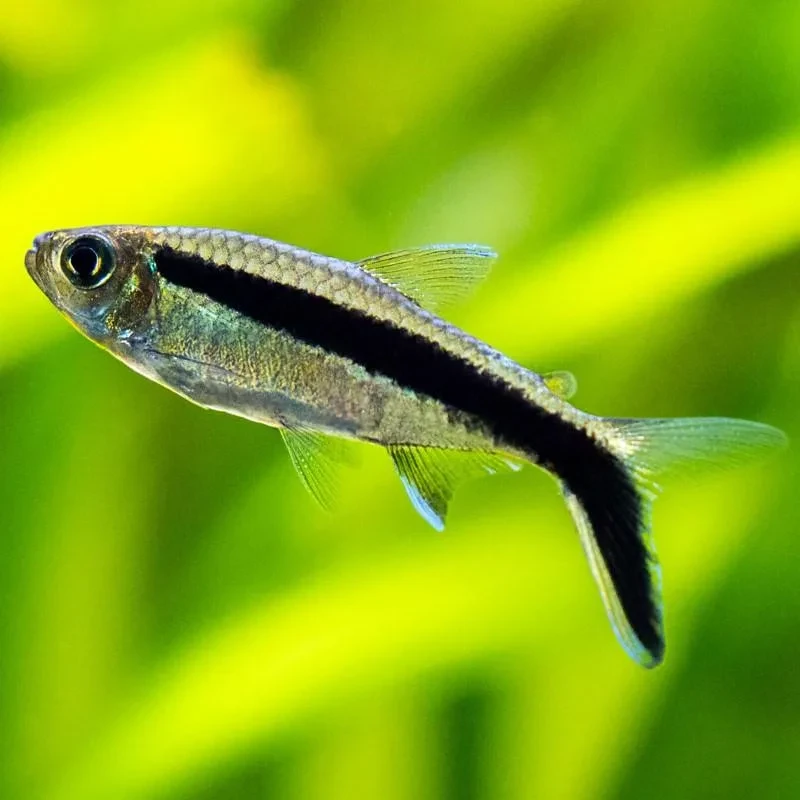
Suitable tankmates are small to medium peaceful community species such as tetras, rasboras, dwarf gouramis, mollies, peaceful barbs and many Australian natives. Avoid large, aggressive cichlids or very boisterous feeders that will steal food. Sexing is straightforward in adults: males develop obvious bristles (odontodes) on the snout and often on the pectoral fins, while females stay smoother and broader-bodied when gravid.
Bristlenose plecos are cave-spawning brooders: the female lays adhesive eggs inside a narrow cave and the male guards and fans them until they hatch. In a mature, well-maintained tank they breed readily; provide several suitably sized caves, a nutritious diet and stable water conditions. Fry feed on biofilm and finely powdered foods or blanched veg; breeding in home aquaria is common and often uncomplicated with basic care.